Ready to green your grey infrastructure? Discover Ecoreef →
1,333,018 Meters OF MARINE BARRIERS AND COUNTING  LIVE
LIVE
Solutions for marine pollution control, coastal and shoreline protection to effectively address environmental concerns.
View All Products
Solutions for the protection of critical infrastructure and other high-security areas.
View All Products
End-to-end solutions for environmental protection, safety and security applications that protect, monitor and regenerate marine environments.
View All Solutions
End-to-end marine and engineering services designed to ensure high-performing projects.
View All Services
Industry-focused expertise delivering proven solutions for coastlines and waterways, from initial concept to long-term operation and protection.
View All Industries

Solutions for marine pollution control, coastal and shoreline protection to effectively address environmental concerns.
View All Products
Solutions for the protection of critical infrastructure and other high-security areas.
View All Products
End-to-end solutions for environmental protection, safety and security applications that protect, monitor and regenerate marine environments.
View All Solutions
End-to-end marine and engineering services designed to ensure high-performing projects.
View All Services
Industry-focused expertise delivering proven solutions for coastlines and waterways, from initial concept to long-term operation and protection.
View All Industries

Share:


Traditional moorings are silently scarring our most valuable marine habitats. But the tide is turning. Protecting marine habitats is becoming a priority for governments, developers and conservation groups around the world.
Traditional chain moorings might be simple, but they come with a big problem: They can damage the seafloor. That’s why more projects are shifting to solutions like Ecomoor, our sustainable, neutrally buoyant mooring line.
Ecomoor works as both an Advanced Mooring System (AMS) and an Environmentally Friendly Mooring (EFM). It keeps pressure off the seabed, cuts down long-term maintenance and supports ecosystems like seagrass meadows and coral reefs.
Most conventional moorings use a heavy chain that lies on the seabed. However, their design creates a destructive “halo effect” on the seabed.
As waves and wind move the boat or buoy, that chain drags in a circle, continuously raking and scouring everything underneath it. Studies and conservation groups, like Project Seagrass, have shown how this damages seagrass beds, sandy habitats and coastal restoration areas, specifically:
1️⃣ Seagrass destruction: Seagrass meadows, vital carbon sinks and nurseries for marine life, are easily ripped up, leading to large areas of bare sediment and habitat loss.
2️⃣ Coral reef abrasion: In tropical areas, chains grind against delicate coral formations, preventing recovery and growth.
3️⃣ Sediment erosion: The constant dragging disturbs the sediment, releasing stored carbon back into the water column and clouding the water, further stressing marine ecosystems.
The need for a robust, non-invasive alternative is critical. This is where the concept of the AMS and EFM enters the conversation.
You’ll often see the terms AMS and EFM used side-by-side. They’re closely related, but here’s the simplest way to understand it:
Advanced Mooring System (AMS) is a type of environmentally friendly mooring. It uses technology that prevents the chain or line from dragging across the seabed. Conservation groups now recommend AMS as the preferred option for sensitive habitats.
Environmentally Friendly Mooring (EFM) is the broader category. Any mooring that reduces environmental impact falls under it. A 2023 literature review on EFMs shows that Environmentally Friendly Moorings perform better on both engineering and environmental fronts compared to traditional options. Source: Literature Review of Environmentally Friendly Moorings – Environmental and Engineering Performance by Andrew Martini (2023).
So all AMS are EFMs, but not all EFMs are AMS. Ecomoor fits both categories.
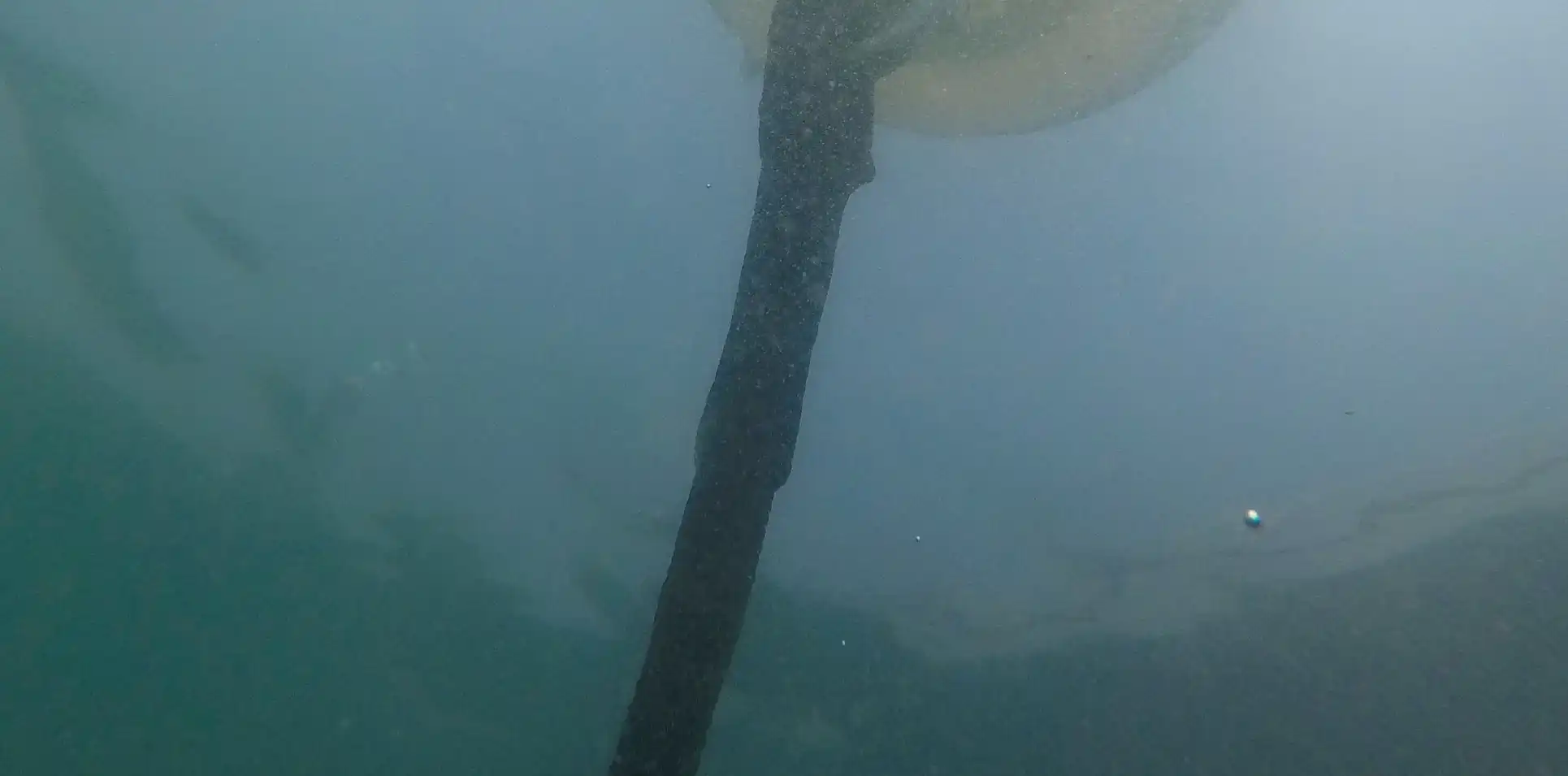
Ecomoor is designed from the ground up to eliminate seabed scour and protect sensitive habitats. It achieves this through a proprietary, game-changing feature: Neutral buoyancy.
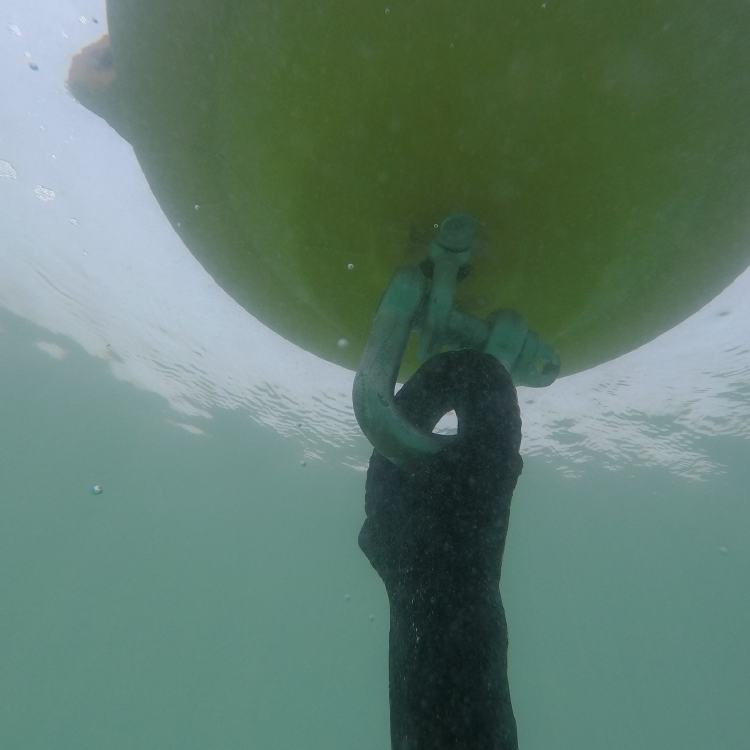
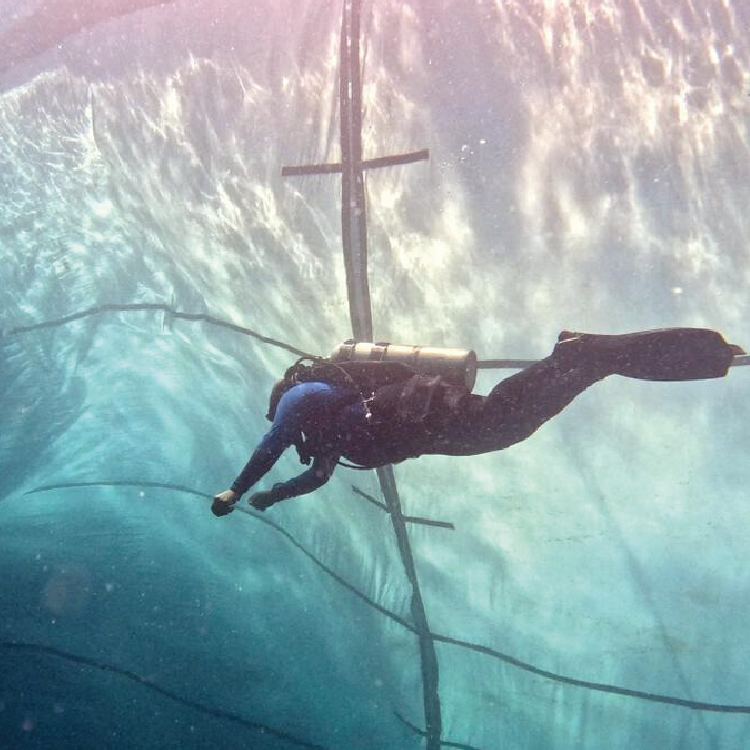
Unlike sinking chains that drag along the bottom, the Ecomoor line is engineered to float in the water column between the subsurface buoy/float and the seabed anchor, ensuring zero contact with the marine floor.
Choosing an Environmentally Friendly Mooring isn’t just about protecting nature, it’s also about improving long-term performance.
Here’s what project owners gain:
| Ecomoor | Traditional Chain Mooring | |
|---|---|---|
| Seabed contact | Zero – Neutrally buoyant line floats. | Constant – Heavy chain drags and scours. |
| Environmental impact | EFM – Protects seagrass and coral. Better handling and installation due to lightweight materials. Support for ESG goals, required by many environmental permits. |
Highly Destructive – Creates barren “halos”. |
| Durability | Up to 15 years expected lifespan, reducing full replacement cycles. | Subject to faster wear and corrosion from abrasion. |
| Maintenance | Reduced likelihood of damage from seabed debris. | High potential for chain entanglement and wear. |
Ecomoor isn’t just another mooring line. It’s an investment in a resilient, healthier marine environment.
As more countries move away from chain moorings in sensitive seagrass areas, Ecomoor offers a future-proof alternative that protects habitats while delivering reliable performance. By choosing it, you’re actively helping preserve ecosystems that hold global environmental value.
If you’re looking for a mooring solution that’s strong, long-lasting and environmentally responsible, Ecomoor is a smart choice. It brings together the best features of an Advanced Mooring System and an Environmentally Friendly Mooring, giving you excellent performance without harming the ecosystem.
By embracing this neutrally buoyant technology, stakeholders can confidently secure their assets without compromising the marine environment.
Ready to upgrade your mooring system? Contact us.
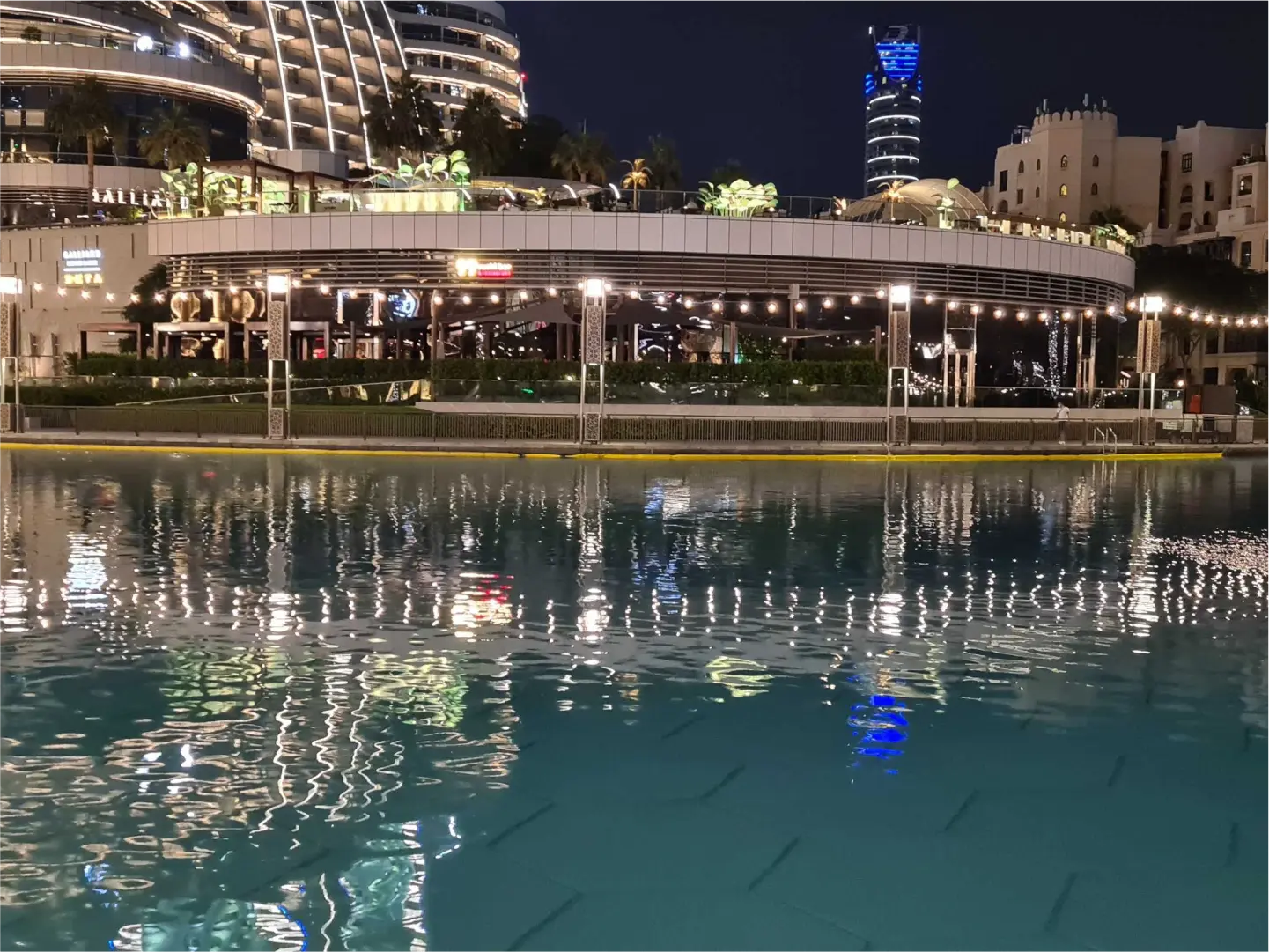
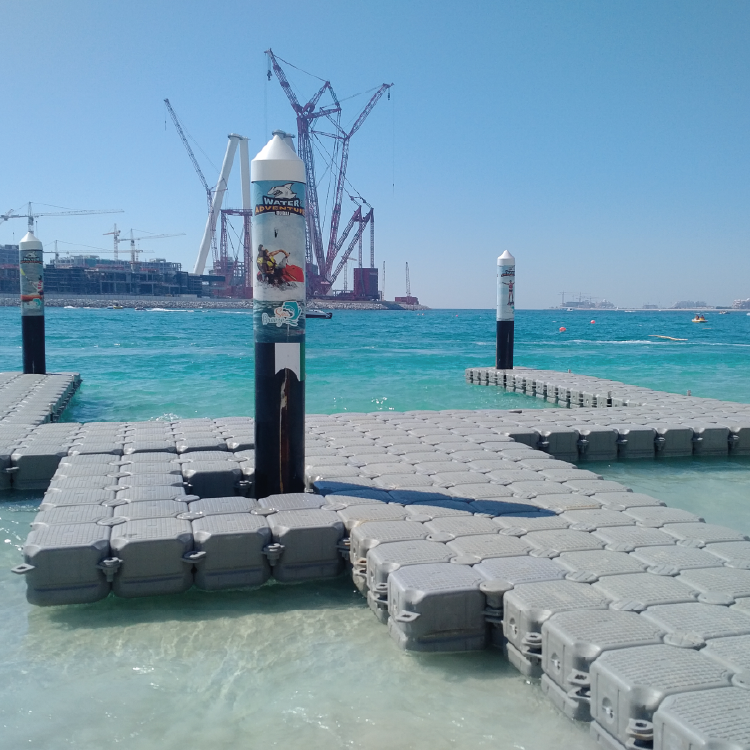
Top photo courtesy of Enerwhere, where Ecomoor was used as mooring line for their floating solar installation in the UAE.
Share:

Both. It falls under the AMS category because it removes seabed contact, and that automatically makes it an Environmentally Friendly Mooring.
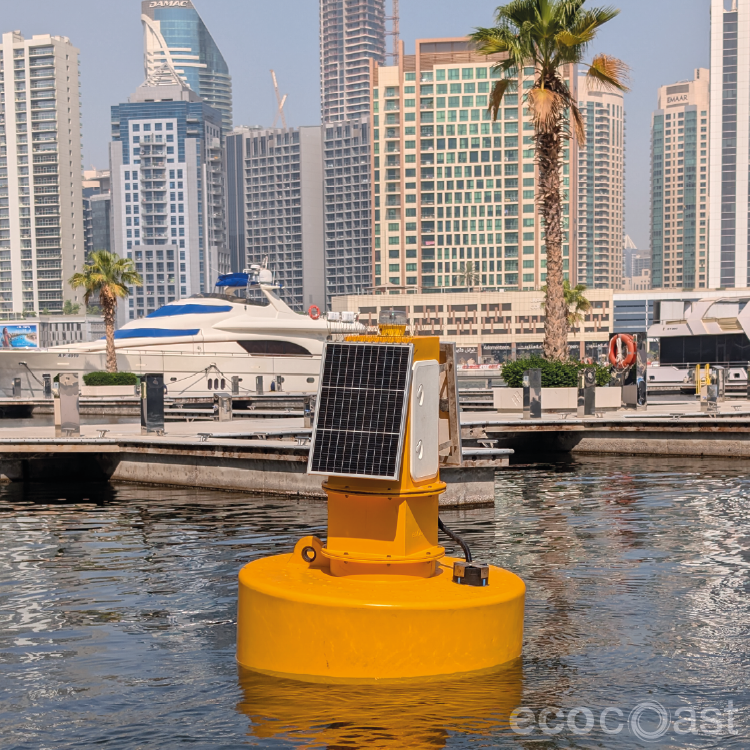
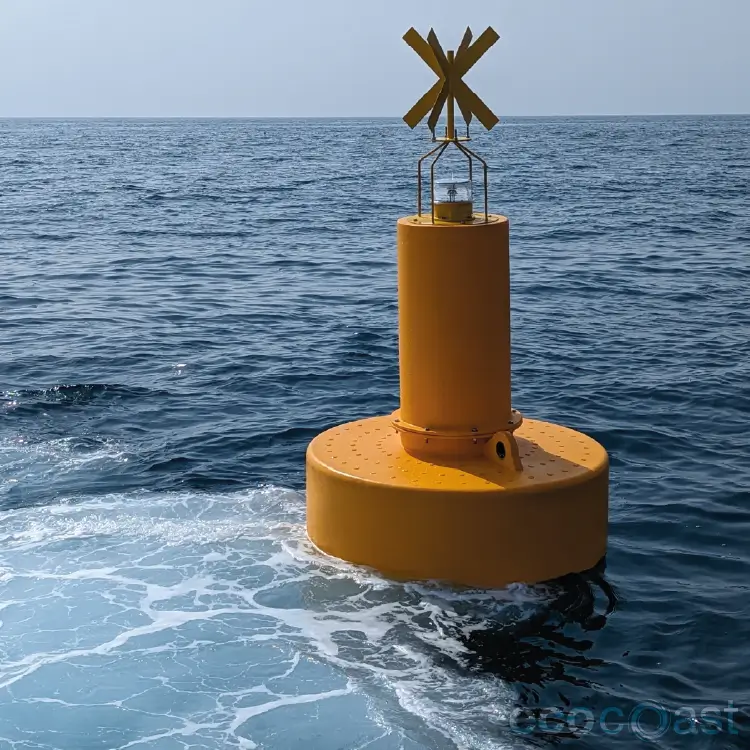
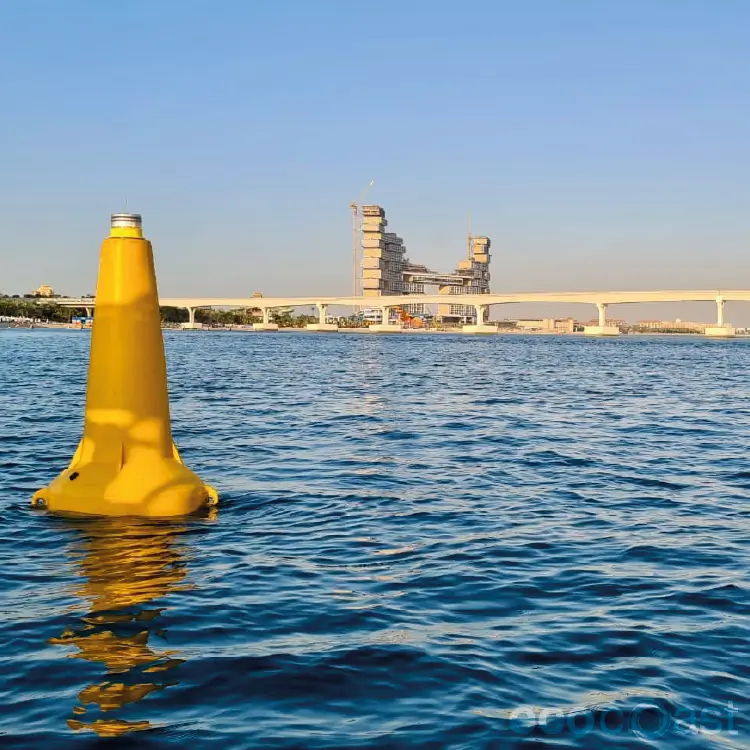
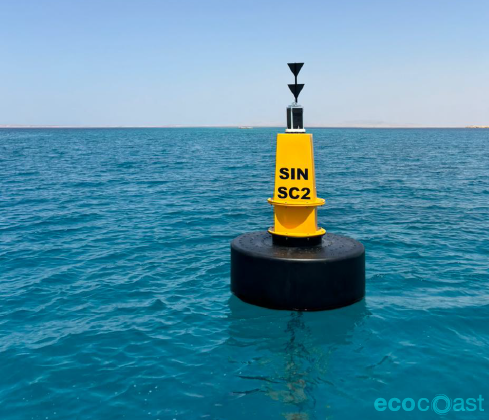
Absolutely. It’s commonly used for demarcation and navigation buoys, deep mooring operations, aquaculture and floating solar systems.
Yes. Because the line doesn’t drag along the seabed, it prevents the scouring that destroys seagrass habitats.
Both. It falls under the AMS category because it removes seabed contact, and that automatically makes it an Environmentally Friendly Mooring.
Absolutely. It’s commonly used for demarcation and navigation buoys, deep mooring operations, aquaculture and floating solar systems.
Yes. Because the line doesn’t drag along the seabed, it prevents the scouring that destroys seagrass habitats.





 Prev Blog